
BIM SERVICES

section-bea3dd8
PROCESS BIM
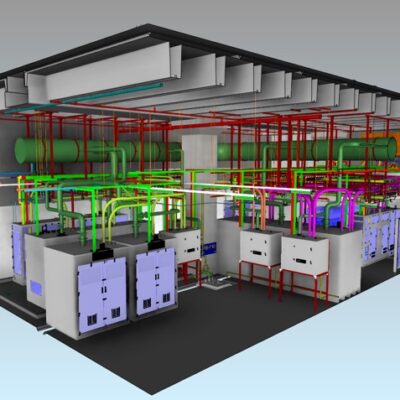
- We provide engineering and construction services on the Mechanical & Electrical (M&E) systems that support many industrial processes.
- Our services include turnkey Mechanical & Electrical construction for process plants, cylindrical and spherical storage tank design & construction, underground pipeline construction and other general M&E works.
- We serve industries across almost all industry sectors such as Semiconductor Fab, Oil & Gas, Petrochemical, Pharmaceutical Industry, Industrial Gases and others.
section-f17cdf0
MEP BIM
-
-
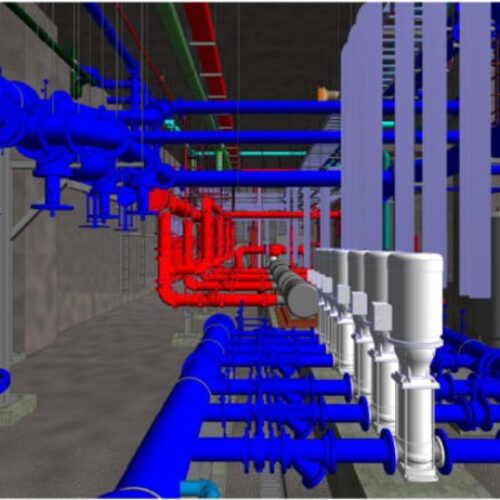
- We generate models from concept stage to design development, shop drawings and as built models
- We provide value engineering and coordination for MEP services (sizing, rerouting with to reference respective standards)
-
section-bda4e9d

BIM CONTENT DEVELOPMENT
-
-
- To enforce company / manufacturer standards
- Custom templates to address specific needs
- Step by step parametric families
- Revit family development with Geometry and data rich attributes
-
section-a29c189

BIM IMPLEMENTATION
-
-
- Firm wide BIM policy & Implementation Guidelines
- Project wise Implementation
- BIM Manual for Firm
- Setting up QA/QC Manual for Company
- Content Development – Families, Templates
- Software & Hardware Consulting with ROI
- Model Auditing
-
section-1edbafb
BIM – LEVEL OF DEVELOPMENT
“ Defines how the 3D geometry of the building model can achieve different levels of refinement, is used as a measure of the service level required”
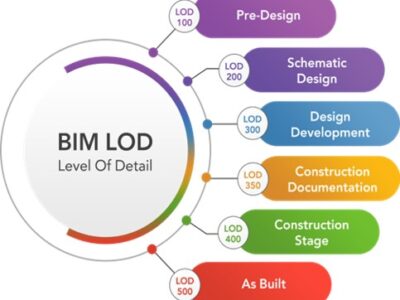
LOD 100 – Concept Design
The building 3D model is developed to represent the information on basic level. Thereby, only conceptual model creation is possible in this stage. Parameters like area, height, volume, location and orientation are defined.
LOD 200 – Schematic Design
General model where elements are modelled with approximate quantities, size, shape, location and orientation. We can also attach non- geometric information to the model elements.
LOD 300 – Detailed Design
Accurate modeling and shop drawings where elements are defined with specific assemblies, precise quantity, size, shape, location and orientation. Here too we can attach non- geometric information to the model elements.
LOD 350 – Construction Documentation
It includes model detail and element that represent how building elements interface with various systems and other building elements with graphics and written definitions.
LOD 400 – Fabrication & Assembly
Model elements are modelled as specific assemblies, with complete fabrication, assembly, and detailing information in addition to precise quantity, size, shape, location and orientation. Non- geometric information to the model elements can also be attached.
LOD 500 – As-Built
Elements are modelled as constructed assemblies for Maintenance and operations. In addition to actual and accurate in size, shape, location, quantity, and orientation, non-geometric information is attached to modelled elements. Laser scanning of site and rendering to BIM is also one of the services included in this package.
section-bfc6ad3
Building Information Modeling
Building Information Modeling (BIM) is the holistic process of creating and managing information for a built asset. Based on an intelligent model and enabled by a cloud platform, BIM integrates structured, multi-disciplinary data to produce a digital representation of an asset across its lifecycle, from planning stage to design stage of construction and operations.
section-ba58e89
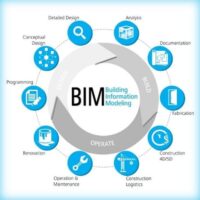
“A foundational, intelligent model-based process for business and industry transformation”
section-49159d6

3D
Uses 3D models to capture, explore, and maintain consistent and coordinated planning, design, construction, and operational data
section-4cc9700

TIME
Enables prompt response to change with processes that are smarter and faster
section-e18f203

COST
Provides greater project insight for cost, schedule, and constructability.
section-949e8e3

DATA
Uses and shares the same consistent data whether you’re at your desk or in the field
BIM MODELLING / LOD 100 TO 300 / DEVELOPING SEQUENCE
“Developing BIM 3D models from Inputs such as Distribution Schematic, Utility P&ID, AutoCAD design Inputs, Data cutsheets & Manufacturer Catalog for the Asset “
section-709389b
EQUIPMENT FACILITY / FAMILY CREATION
Manufacturer Cut Sheets / Catalog Details / 2D Inputs
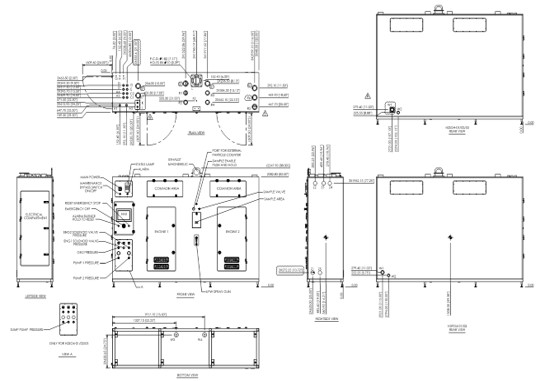
Parametric & Non-Parametric Families
section-06cc386
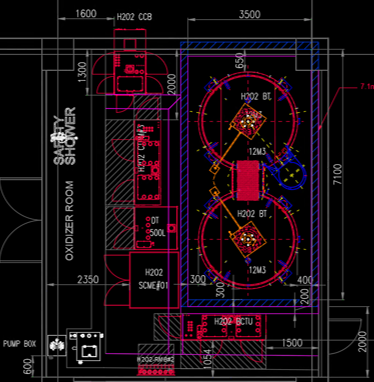
EQUIPMENT PLACEMENT
Populating the Created LOD 400 Families as per the Equipment Layout in respective Chemical Rooms
section-7af1271
UNISTRUT SUPPORTS / MOUNTING RACKS
Creation & Placement of Unistrut Supports as per SPM Co-ordination Section Details
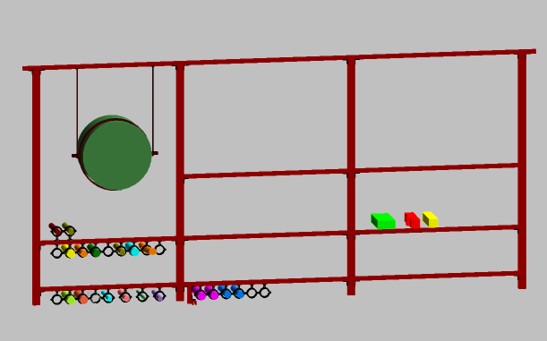
Creation & Placement of Mounting Racks for Various Equipment
section-635ec8f
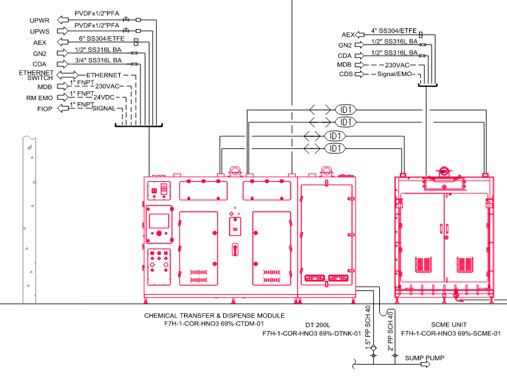
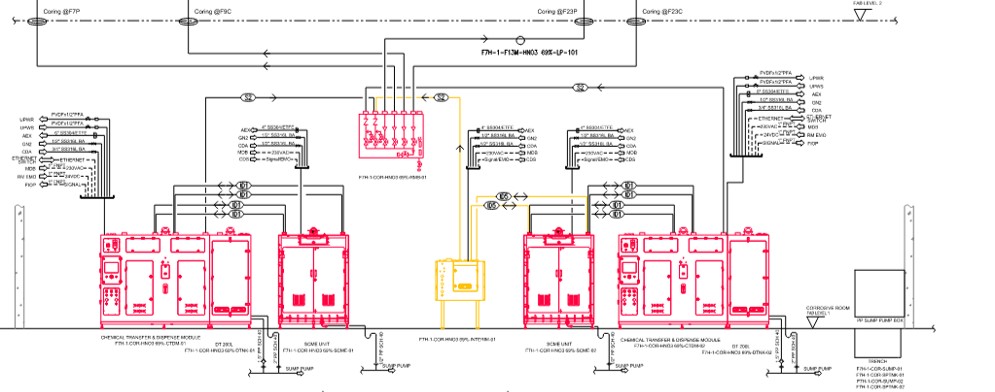
INTERCONNECTING PIPING / CHEMICAL
Modelling of Inter-Connection Piping (RMB to VMB) as per Standards with reference of respective PFD.
section-a2c088d
DISTRIBUTION PIPING / CHEMICAL
Modelling of Distribution Chemical Piping (RMB to VMB) as per Standards with reference of respective PFD
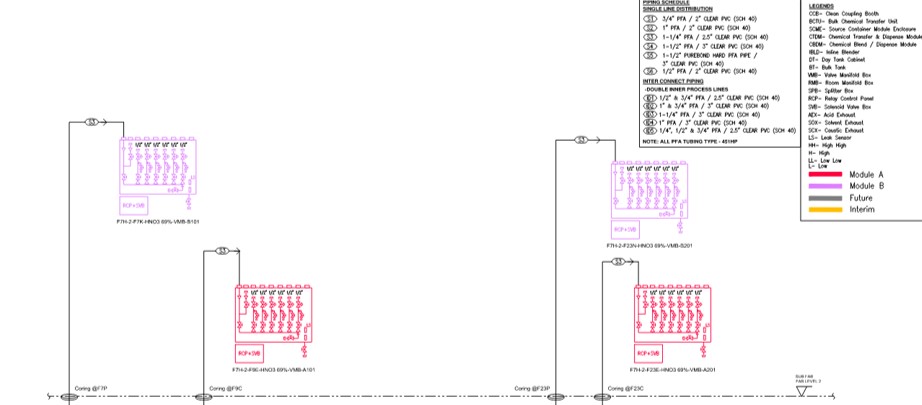
From Level 1 Pipe Riser to Level 2 VMB
section-2f546cf
section-f1e48a4
UTILITY PIPING / UPW
Modelling of Utility Piping (UPW) as per standards with the respective PID as reference.
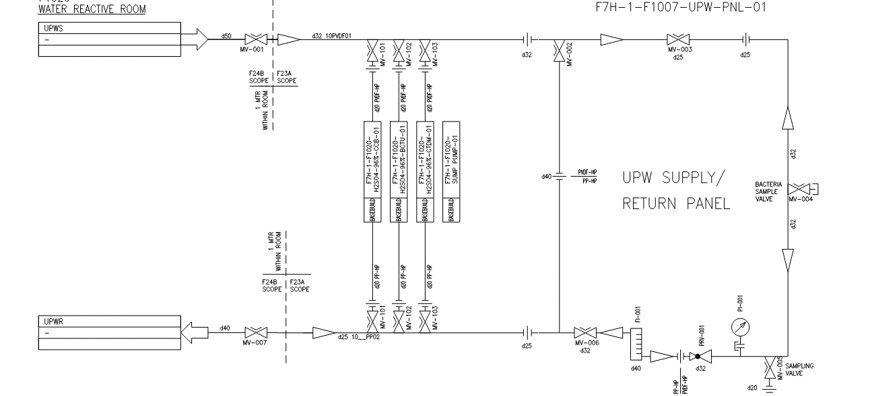
UPW Provision to Each Equipment in Chemical Room.
section-7a56507
UTILITY PIPING / BULK GAS
Modelling of Utility Bulk Gas Piping as per Standards by referring the respective PID.
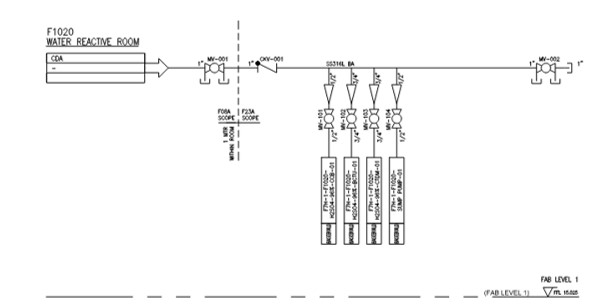
Bulk Gas (CDA / GN2) to Each Equipment in Chemical Room.
section-f6f0865
UTILITY PIPING / DRAIN
Modelling of Utility Drain Piping as per Standards by referring the respective PID.
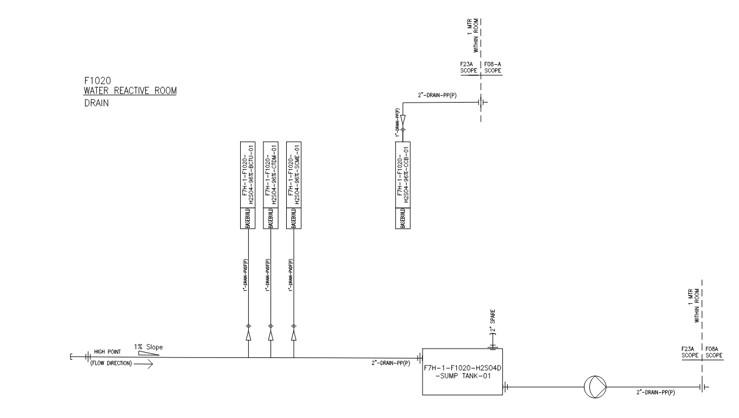
Drain from Each Equipment to Sump Pit & from Sump Pit to Discharge Header
section-474d9be
UTILITY PIPING / EXHAUST
Modelling of Exhaust as per standards with reference of respective PID.
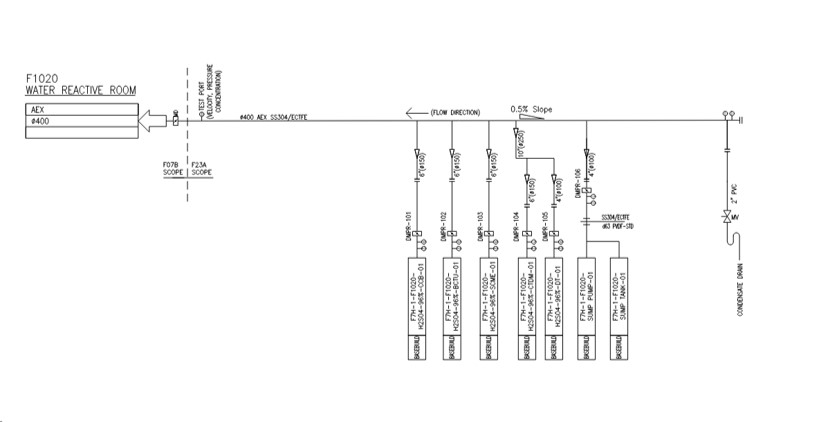
Exhaust from Each Equipment (CTDM / SUMP / BCTU / CCB) & Tie into Mechanical Exhaust
section-482ca36
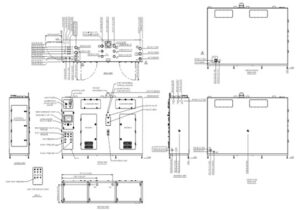
Manufacturer Cut Sheets / Catalog Details / 2D Inputs
section-3c7c260
ELECTRICAL & CONTROL
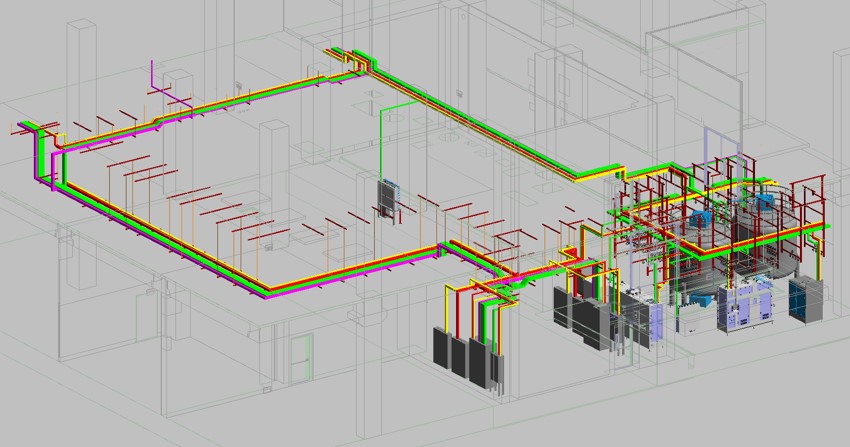
Power (NPS/UPS) & Control Trunking from Equipment to the respective MDB / RIO / EMO.